
AI branding: how artificial intelligence is changing the character of a company
Artificial intelligence is changing branding: from generative design and adaptive brand books to creating a unique company personality.
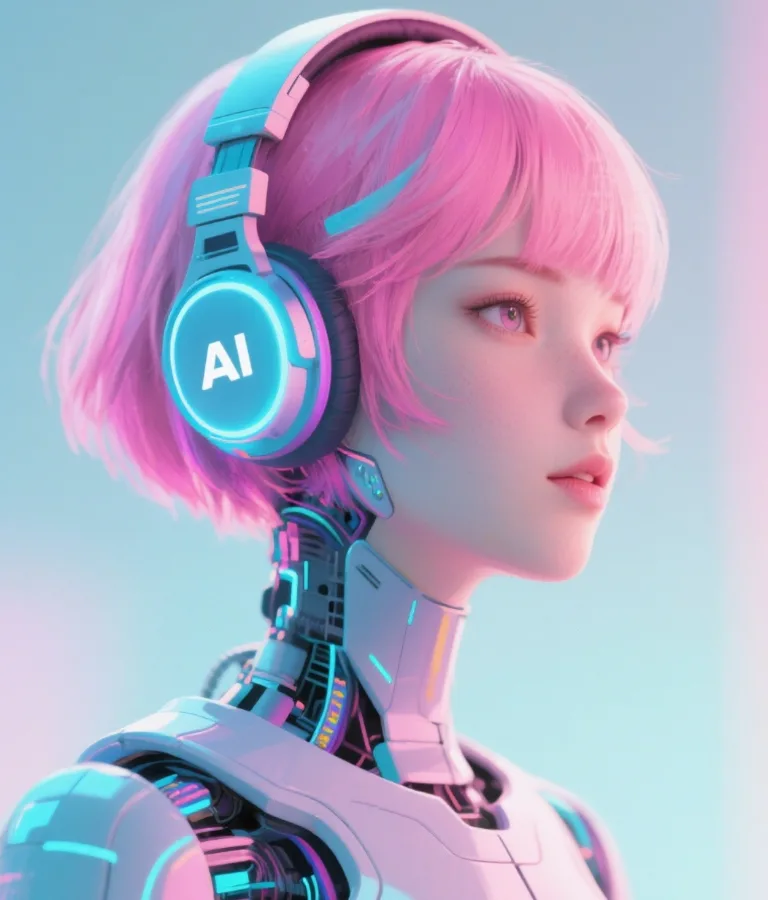
Today, AI branding means using algorithms to create designs, build communication tone, and even form a unique “personality” for a company. In today’s article, the MIM:AGENCY team will use real-life examples to explain how this works and whether there are any such cases in Ukraine.
AI in brand design: speed and personalization

In the field of visual identity, AI opens up possibilities that seemed like science fiction just a few years ago:
- Generative logo design. Algorithms can create dozens of logo options based on a brief, taking into account emotional tone, associations, and market trends.
- Dynamic brand books. Previously, a brand book was a static document. Today, AI can generate adaptive styles depending on the platform – a different color for TikTok, different typography for LinkedIn.
- Visuals “by segment.” One brand can have several visual strategies for different target audiences, and AI helps to quickly test which option works best.
Example: Nike is experimenting with generative shoe design, where the user sets the parameters and AI creates a unique model that fits the brand’s style.
Tone of voice: how AI shapes communication
Tone of voice is not only the style of the text, but also a reflection of the brand’s values.
- Audience data analysis. AI can analyze user comments, posts, and reviews to understand which words and intonations inspire trust.
- Consistency in communication. Algorithms ensure that all communication, from push notifications to Instagram posts, sounds the same.
- Localization. AI helps adapt the brand to different cultures, avoiding “machine” translations.
Example: Grammarly uses AI to provide tips on the tone of messages, and is essentially a ready-made “branding assistant” for correspondence.
Company character: when a brand becomes a “person”
Modern brands strive not just to sell, but to create a “virtual personality.” And this is where AI plays a crucial role:
- Virtual ambassadors. Companies create digital characters that represent the brand, blog, and even respond in chat rooms.
- AI avatars for customer support. They speak with the brand’s voice, joke in its style, and even learn through communication.
- Real-time storytelling. AI can create unique stories for each user – the brand literally “talks” to the customer in their language.
Examples of AI branding around the world

- Coca-Cola – “Create Real Magic”: a campaign where users created images with the Coca-Cola logo using DALL·E and Stable Diffusion. This made the brand a participant in the dialogue, not just an advertiser.
- Levi’s: the company is testing AI models that show clothes on virtual people with different parameters. This allows customers to see themselves in the brand.
- KFC China: the brand created an AI chatbot ambassador with a unique personality that communicated with customers on Messenger.
- Heinz: an experiment with Midjourney, where AI drew ketchup in a recognizable Heinz bottle every time. This emphasized the power of the brand’s visual association.
Ukrainian examples of AI branding
The Ukrainian market is also keeping up with global trends:
- Kyivstar – Zoryana. In 2023, the operator created a virtual brand ambassador – a digital girl named Zoryana. She runs social media, appears in advertisements, and has her own personality: modern, open to dialogue, and tech-savvy. This is one of the first full-fledged examples of AI branding in Ukraine.

- Monobank. Although they do not officially call it AI branding, their “Cat” in communications is a semi-automated character that communicates with customers in a chat in a single tone.
- Ukrposhta is experimenting with chatbots and AI solutions in customer communications, testing different communication styles. This is a step towards “brand personality” in the field of public services.
Advantages and risks of AI branding
Advantages:
- quick creation of designs and texts;
- personalization for different segments;
- the ability to experiment with new formats;
- increased recognition thanks to virtual ambassadors.
Risks
- standardization, as many brands will look “the same” due to similar AI tools
- loss of authenticity when the algorithm takes on too many functions
- intellectual property rights issues: who owns the logo or content created by the neural network?
The future of AI branding
The next stage of development is hybrid branding, where AI does not replace humans but works in conjunction with them. Creative teams will have more time for strategic decisions, while algorithms generate options and conduct rapid testing.
In the future, brands will have “live” AI ambassadors who communicate with customers, adapt to the context, and even influence the emotional mood of consumers. Given its rapid adoption of technology, Ukraine may become one of the regions where AI branding takes on the most interesting forms.
