
From strategy to action: the “crawl, walk, run” approach
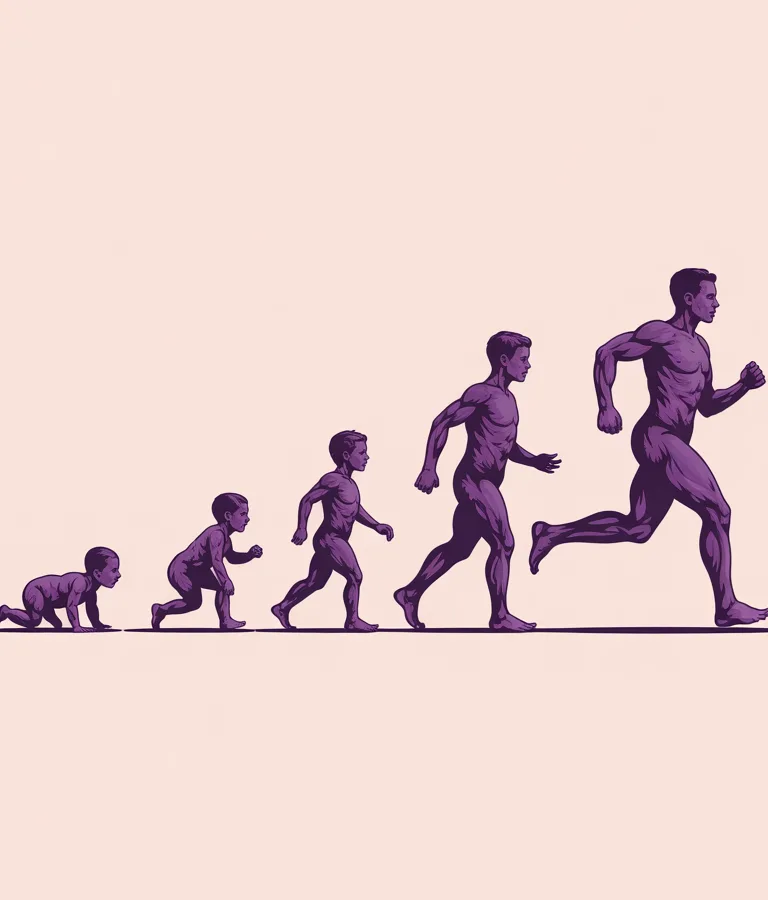
The “crawl, walk, run” model helps gradually implement strategy, starting with pilot initiatives and ending with scaling.
In many companies, strategy exists in the form of beautiful presentations and documents. It may contain the right words, ambitious goals, and even innovative ideas. But if it is not backed up by tactical actions, the result will be zero.
To avoid this, modern management uses the “crawl, walk, run” approach. This is a universal technique that allows you to gradually implement strategic goals by dividing them into understandable stages.
Why strategy without action doesn’t work
- Loss of resources. Companies spend time and money creating documents that no one follows.
- Demotivation of teams. Employees see nice words, but don’t understand how they relate to their daily work.
- Lack of results. Without action, even the best strategy remains “on paper.”
A strategy only makes sense when it is transformed into a set of steps that are carried out systematically.
What is the “crawl, walk, run” approach
“Crawl, walk, run” is a step-by-step model for implementing a strategy that helps turn big ideas into concrete actions. It is based on the principle of gradual movement: from simple initial tasks to large-scale systemic solutions. This approach allows businesses to adapt, learn from their own experience, and avoid excessive risks.
1. Crawl – creating a foundation
This stage is the foundation for all further development. Here, the company starts with small initiatives: testing ideas, launching pilot projects, and establishing processes and tools. The goal is to use minimal resources to verify that the right direction has been chosen.
Example: a test advertising campaign with a small budget to assess demand in a new market.
2. Go – systematic implementation
Once the foundation has been laid, the company moves on to more structured work. At this stage, full-fledged work processes are created, roles and responsibilities are defined, and data is collected to evaluate effectiveness. The goal is to turn individual initiatives into a sustainable system.
Example: After a successful test, the company launches regular advertising campaigns, forms a team of marketers, and analyzes their results.
3. Run – scaling and optimization
The final stage involves full-scale implementation of the strategy. Here, initiatives are scaled, processes are automated, the company actively invests resources, and key performance indicators (KPIs) are tracked. The strategy becomes part of the corporate culture, and each employee understands their role in its implementation.
Example: the company opens new branches, enters several markets at once, and launches a comprehensive marketing automation system.
Stage 1. Crawl: laying the foundation

This stage involves minimal risk and quick wins.
- Focus on simple initiatives. Choose projects that are relatively easy to complete and deliver results.
- Create processes. Introduce basic project management tools (Trello, Asana, Jira).
- Establish communication. The team must clearly understand what to do and see that their actions are bringing them closer to their goal.
- Example: The company wants to enter a new market. In the “crawl” phase, it conducts research, analyzes competitors, and launches a test advertising campaign with a small budget.
Stage 2. Walk: development and consolidation

At this stage, the organization moves from testing to systematic work.
- Prioritize projects. From all initiatives, choose those that have the greatest impact.
- Detailing plans. Assign responsibilities, deadlines, and resources.
- Data collection. Start measuring effectiveness (KPI, ROI).
- Example: In the previous case, the company is already creating a website in another language, hiring a local representative, and establishing partnerships.
Stage 3. Run: scaling and optimization

This phase is the culmination, when the strategy is fully implemented.
- Use of all resources. Full-scale implementation, involvement of marketing, sales, and HR.
- Process optimization. Real-time data analysis, quick changes.
- Scaling. Successful solutions are extended to other markets or business areas.
- Example: the company opens an official representative office in a new market, launches a national advertising campaign, and creates a local customer support team.
Roadmap: how to move from “crawl” to “run”
For the method to work, you need a clear roadmap:
- timelines for each phase;
- triggers for moving to the next stage (e.g., achieving a specific KPI);
- management tools (Lucidchart, PowerPoint, Smartsheet).
Continuous monitoring and adaptation
Any strategy must be dynamic.
- Review KPIs regularly.
- Use feedback from the team and customers.
- Be prepared to adjust course if the market or conditions change.
Communication and engagement
A strategy only works when everyone knows about it and believes in it.
- Keep teams informed of progress.
- Show successes, but also talk about difficulties.
- Encourage ideas and suggestions from below.
Evaluation and learning
After completing the cycle, it is important to analyze:
- What worked?
- What didn’t work as well?
- What conclusions can be applied in the future?
This creates a cumulative experience effect and helps avoid mistakes in the future.
Why this approach works

- Step-by-step approach. Teams are not overwhelmed with big goals right away.
- Flexibility. There is an opportunity to adjust actions after each stage.
- Transparency. Everyone understands what stage the project is at.
- Practicality. The strategy is transformed from an abstract document into concrete actions.
Conclusion
The “crawl, walk, run” method is not only a management tool but also a philosophy of moving forward. It helps to combine a long-term vision with daily tasks, creates a culture of continuous improvement, and makes strategy a living part of the business.
