
How a clinic increased appointments by 47% thanks to GEO and AI optimization
How a medical clinic increased appointments by 47% after implementing GEO in a highly competitive niche
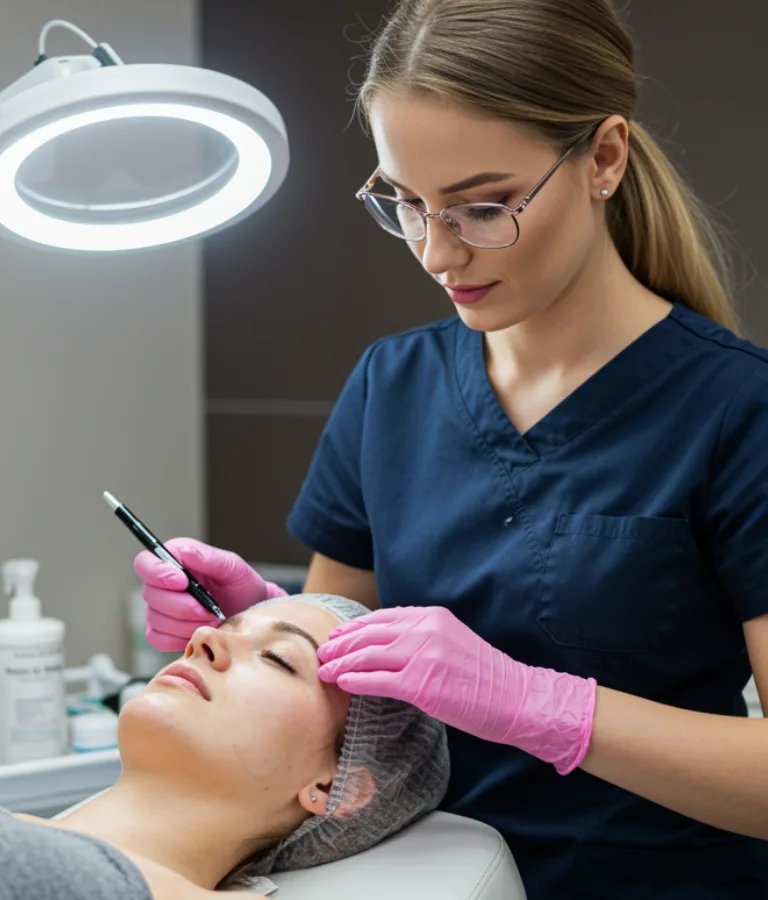
Another medical clinic approached MIM:AGENCY, this time from the field of aesthetic medicine and dermatology. The clinic operated in a highly competitive segment where it was almost impossible to advance in search results using traditional methods: dozens of competitors, high advertising rates, aggressive SEO in the market, and completely new ranking rules in Google.
Request
The main problem was not competition.
It was that patients began to search for answers in ChatGPT and Gemini faster than in Google. And AI models did not even “know” that the clinic existed.
Management described their request as follows:
“We want AI to provide information that leads to us when people ask about procedures, symptoms, and treatments. And we want it to be easy for patients to understand our expertise.”
The problem
During the initial audit, we identified several critical issues:
- 90% of the pages did not have a clear structure for LLM (there were no clear blocks, explanations, definitions, or “question → answer” logic)
- The content was too “commercial” and did not match the informational intentions of users
- Google showed unstable positions, and the AI models’ answers did not mention the clinic at all
- Some articles were rewritten several times and lost their medical credibility
So, the main request identified by our team was:
“Become visible in ChatGPT, Gemini, and Perplexity responses and strengthen information pages so that patients can more easily find the clinic when searching for symptoms and procedures.”
What MIM:AGENCY did
We developed a comprehensive GEO strategy that the clinic was able to integrate in just 8 weeks.
1. Content audit and identification of AI-dependent entry points
What we did:
- evaluated 120 pages of content
- identified 37 key procedures with high competition
- analyzed 80+ typical patient queries in ChatGPT
- identified topics where AI provides incomplete or outdated answers
Result: created a “GEO-point map” where the clinic can quickly grow.
2. Rewrote content according to LLM logic
We developed:
- a structure of “question → symptoms → explanation → treatment algorithm”
- extended explanations in simple terms
- clear definitions of medical terms
- sections on “when to see a doctor” and “what to expect during a visit”
- internal links between pages read by AI
This allowed the model to better recognize content and use it in responses.
3. Created 52 new pages with a GEO structure
These were:
- symptom pages
- FAQ materials
- reference articles
- explanations after procedures
- doctor recommendations
The content became similar to a “medical encyclopedia” — but adapted for generative models.
4. Prepared an “AI Context Package” for ChatGPT / Gemini
This is a separate document with:
- brief descriptions of the clinic
- treatment methods
- strengths of doctors
- structured description of procedures
This increases the likelihood that the model will use information about the clinic as relevant more often.
5. Involvement of doctors — as an EEAT factor
What we managed to implement:
- conducted interviews with 5 doctors
- collected real recommendations
- created a series of materials on behalf of specialists
- added professional profiles to the site structure
This increased medical trust for Google and AI models.
Results in 60 days
1. Growth in Google rankings
- Overall growth in organic visibility: +52%
- Procedure pages: +71%
- Symptom pages: +94%
2. AI presence
- mentions of the clinic in ChatGPT responses: increased 5.4 times
- frequency of pages appearing in Gemini: +203%
- Perplexity began citing the site in 17% of responses to niche queries
3. Requests from patients
- appointments for consultations through the site: +47%
- organic calls: +31%
- conversion from information pages: from 0.6% to 1.4%
4. Quality of digital presence
- 67% improvement in “readability for LLM”
- 24% reduction in bounce rates on content pages
- time on page increased by 38%
Conclusion
The medical market is entering a new era where SEO and GEO work together. In this case study, MIM:AGENCY helped the clinic not only rise in Google rankings, but also become a source of information that generative models began to take into account.
The result is more trust, more inquiries, and more expertise. And most importantly, this strategy works in the long term.
